Academics
Summer @ Brown | “Can We Build Organs?”
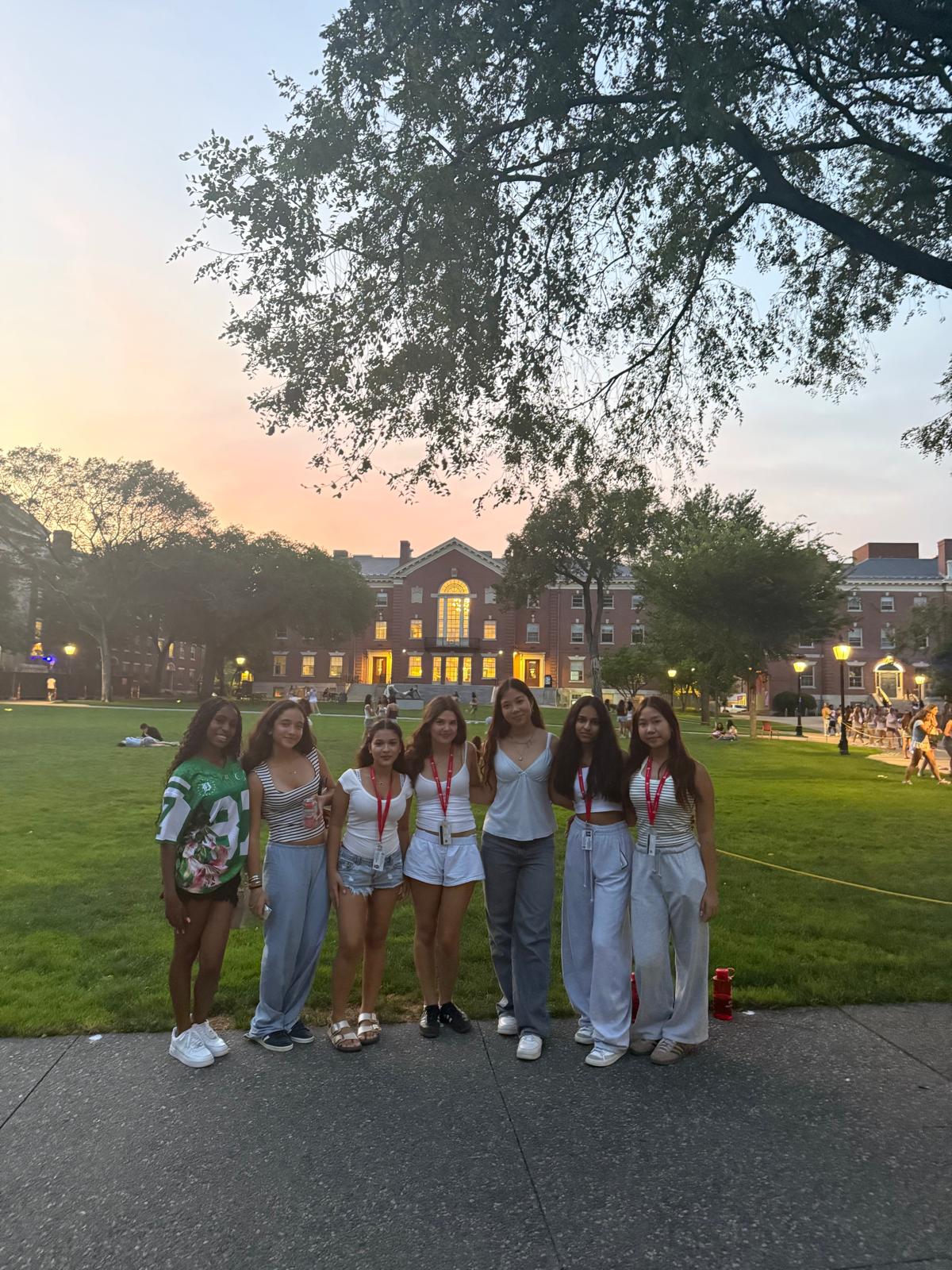
When I arrived at Brown for my summer program, the reality of being away from home – and knowing absolutely no one – hit me all at once. It was my first program where I hadn’t come with friends, and the idea of spending two weeks with complete strangers felt intimidating at first. But I quickly realized everyone else felt the same way. We were all there to grow, learn, and step outside our comfort zones, and that shared experience made it surprisingly easy to connect.
By the end of the first few days, the people who had once been strangers felt incredibly familiar. My roommate and I bonded over a show we both liked on the first night, and within days, people were asking us how long we’d known each other. “Two days,” we’d laugh.
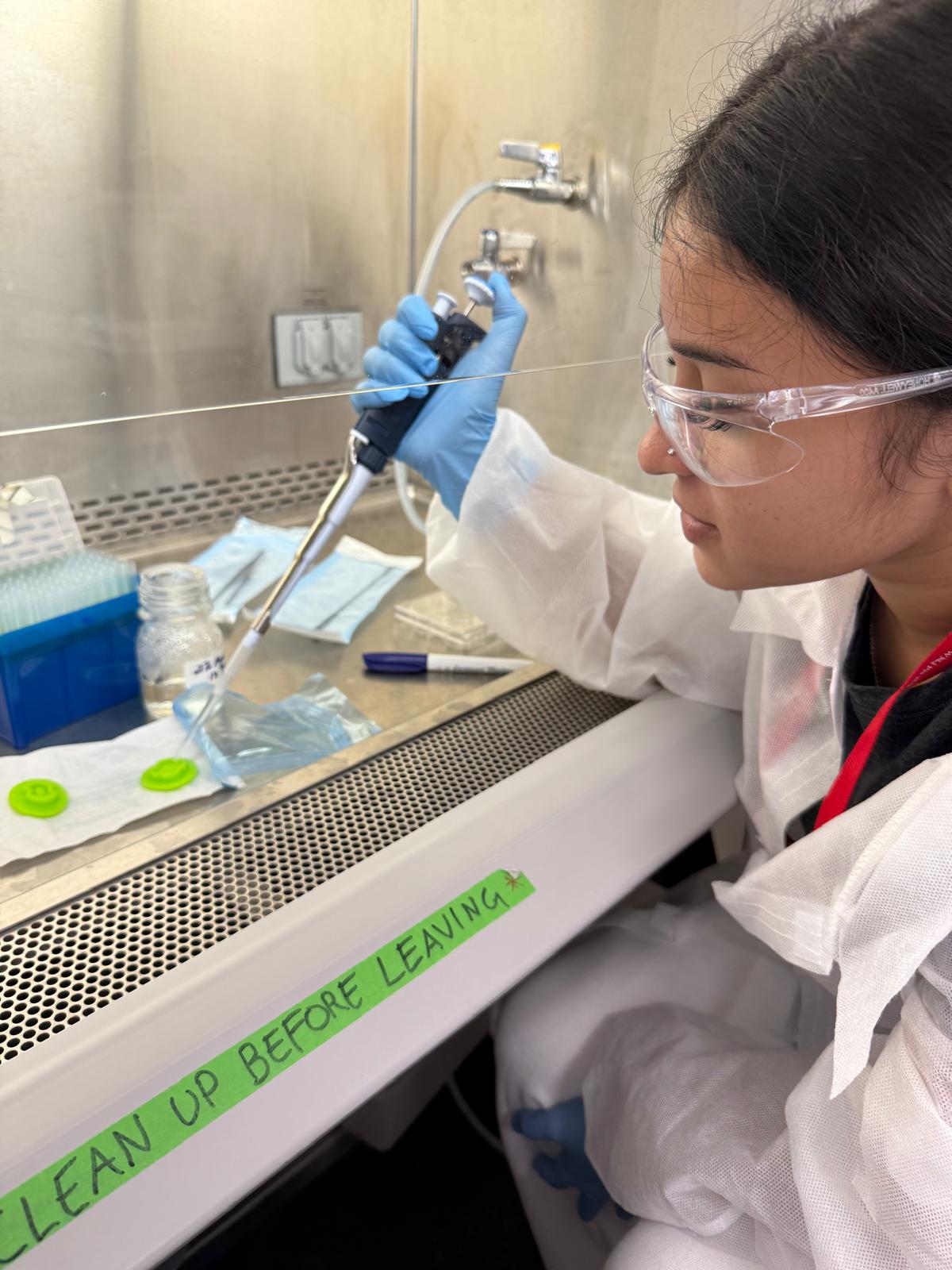
Inside the lab
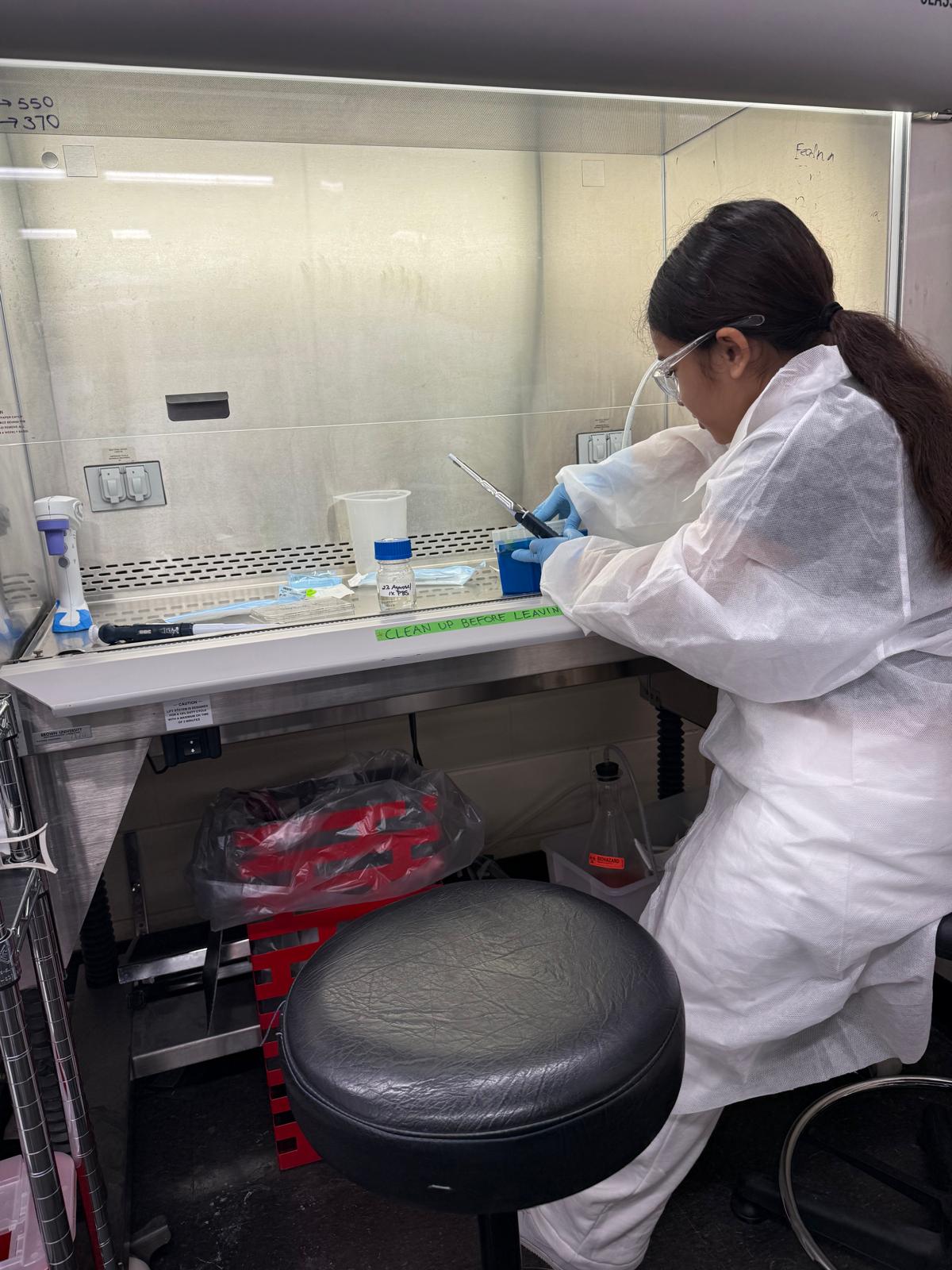
Academically, the experience was just as transformative. I took a course called Can We Build Organs? Techniques in Regenerative Medicine, taught by Dr. Toni Achilli with guidance from two incredible TAs, Madison Smith and Danait Selamawi.
The course introduced me to the real-world applications of regenerative medicine through intensive lab work and collaborative research. We cultured mammalian cells, practiced sterile technique, explored tissue scaffolding and decellularization, and examined the ethical and business dimensions of biomedical innovation. One of the most memorable labs involved decellularizing spinach leaves and perfusing them with cow blood to mimic vascular flow – a striking example of how creativity and science intersect in medical research.
For our final project, I explored spinal cord injury and proposed a bioengineered scaffold called NeuroThread, designed to support spinal regeneration. Presenting my ideas throughout the course helped me discover how much I enjoy communicating science, especially in ways that make complex topics engaging and accessible.
More than anything, Brown showed me how exciting it feels to learn in an environment driven by curiosity, collaboration, and purpose. It pushed me academically, challenged me socially, and gave me a clearer sense of the kind of work I hope to pursue in the future.
Oxbridge Politics & Debate
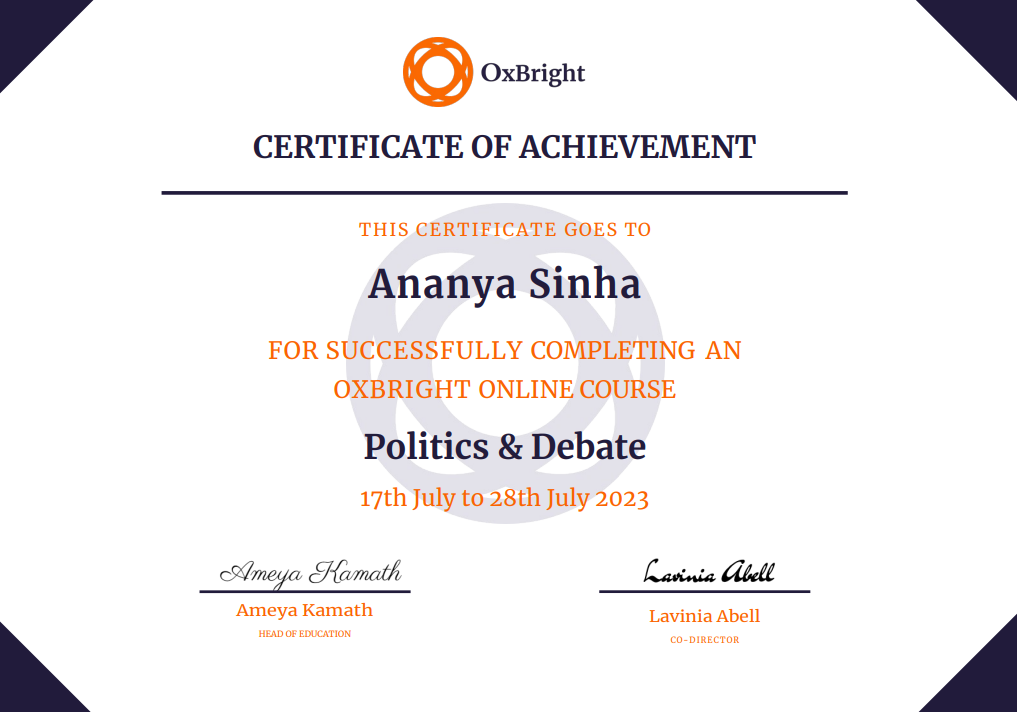
At the Oxbridge Politics & Debate program, I explored the foundations and future of global political systems. Through modules on democracy, elections, political parties, leadership, and social movements, I developed a stronger understanding of how governments function and how people shape them.
We debated the role of identity and citizenship, discussed the impact of revolutions, and even simulated real-world campaign strategies. The course strengthened my ability to think critically about power, persuasion, and civic responsibility, and sparked my deeper interest in public policy and human rights.
Coursera Courses
- Introduction to Psychology (Yale University): This course introduced me to core psychological concepts, from perception, memory, and
communication, to decision-making, behavior, and brain function. I found it especially fascinating to explore how the mind develops across individuals and how it can break down due to illness or trauma.It helped me see how human behavior is influenced not just by biology, but by experience, cognition, and environment, and gave me a foundation to think more deeply about empathy, mental health, and human complexity.
- Learning for a Sustainable Future (University of Edinburgh): This course challenged me to think critically about the sustainability challenges our world faces and how individual and collective action can help address them. From climate change to social equity, we explored major global issues through a systems lens and reflected on what it means to take informed, ethical, and practical action. The course helped reinforce my belief that sustainability isn’t just
environmental, it’s about justice, values, and how we choose to live, lead, and learn.
Science Society
Science Society gave me the space to explore science beyond the classroom. I joined because I was curious about the “why” behind everyday things, and being around like-minded peers made it even more exciting. We discussed new scientific breakthroughs, designed small experiments, and worked toward presenting our ideas at the HS Science Fair. It was a space to explore open-ended questions and learn collaboratively.