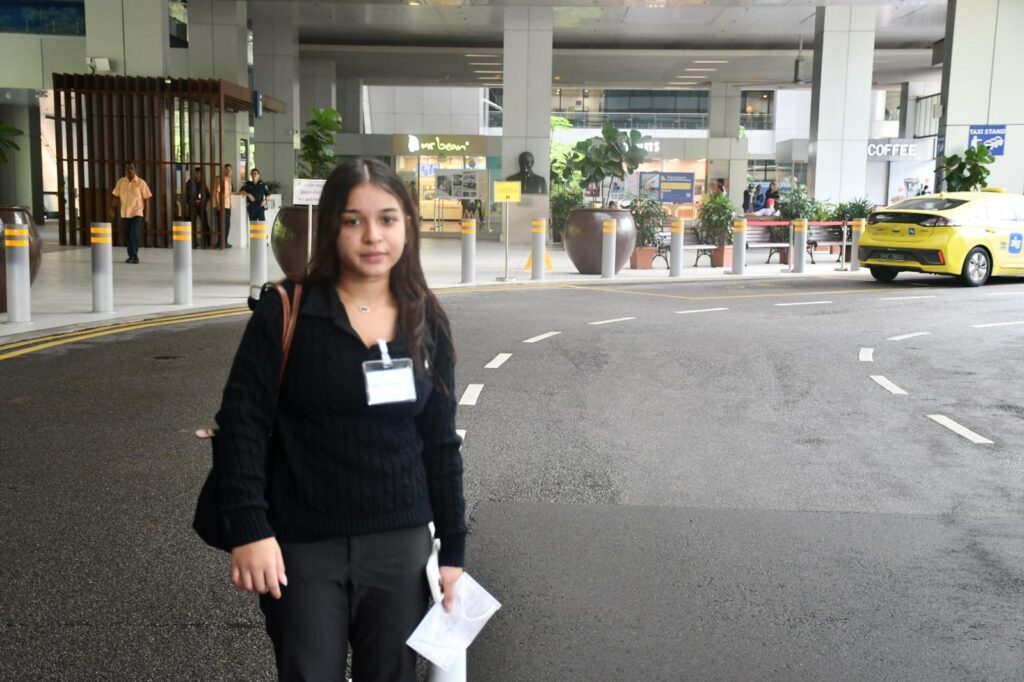
I am currently participating in a research mentorship with Polygence, a highly selective program that pairs high school students with academic mentors from leading universities. Through this program, I am working under the guidance of Jonathan Lear, PhD in History (UC Berkeley), exploring advanced topics and developing original research.
Under his guidance, I’m developing a research paper exploring how Singapore has preserved elements of its colonial governance structures after independence, particularly regarding race, law, and institutional continuity. The project examines how colonial legacies can subtly shape modern nation-states, and what that means for identity, power, and policy today.
This research has already pushed me to think more critically about how history informs the present, and how structures that seem neutral can carry stories, tensions, and consequences that go far deeper than they appear.
Internship at Khoo Teck Puat Hospital – Ophthalmology Department
During my internship at Khoo Teck Puat Hospital, I had the opportunity to shadow doctors across multiple departments within the ophthalmology unit, gaining exposure to both clinical consultations and surgical procedures. Over the course of my internship, I observed a wide range of patient cases, from post-operative cataract checkups to complex conditions involving nerve damage, diabetic retinopathy, and retinal vein occlusion.
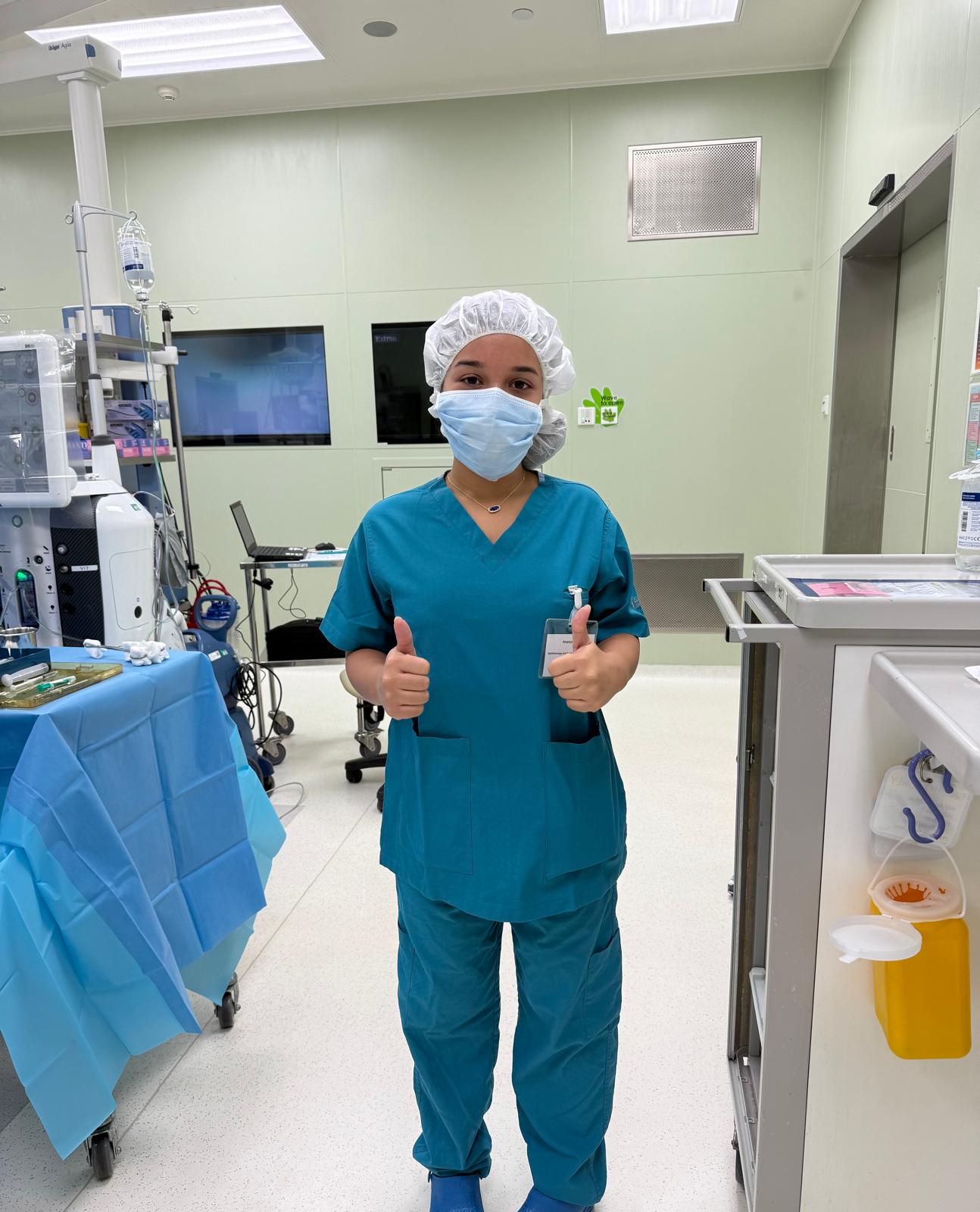
Working with doctors like Dr. Jenny, Dr. Anoop Thomas, and Dr. Tiakumzuk Sangtam, I witnessed how science, empathy, and precision come together in high-stakes environments. I saw firsthand how systemic issues like diabetes or dementia can manifest in eye health, and how treatments such as intravitreal injections,laser therapy, and microsurgeries are used to manage chronic or progressive conditions.
One of the most memorable experiences was observing a glaucoma surgery and multiple cataract procedures in the operating theatre. These moments deepened my appreciation for the focus, coordination, and decision-making required in surgery. I also learned about the ethical and emotional side of medicine, how doctors support patients through difficult diagnoses, financial challenges, and fears of vision loss.
Beyond medical learning, I had conversations with doctors about career decision-making, the reality of on-call work, and how to balance personal life with professional intensity. Their advice, to wait, explore, and listen to your own strengths, reminded me that choosing a path in medicine isn’t just about skill, but also about self-awareness.
This internship helped me understand how health is interconnected between systems, stories, and science, and it sparked a deeper interest in how medicine can be used not just to treat, but to educate, empower, and prevent.
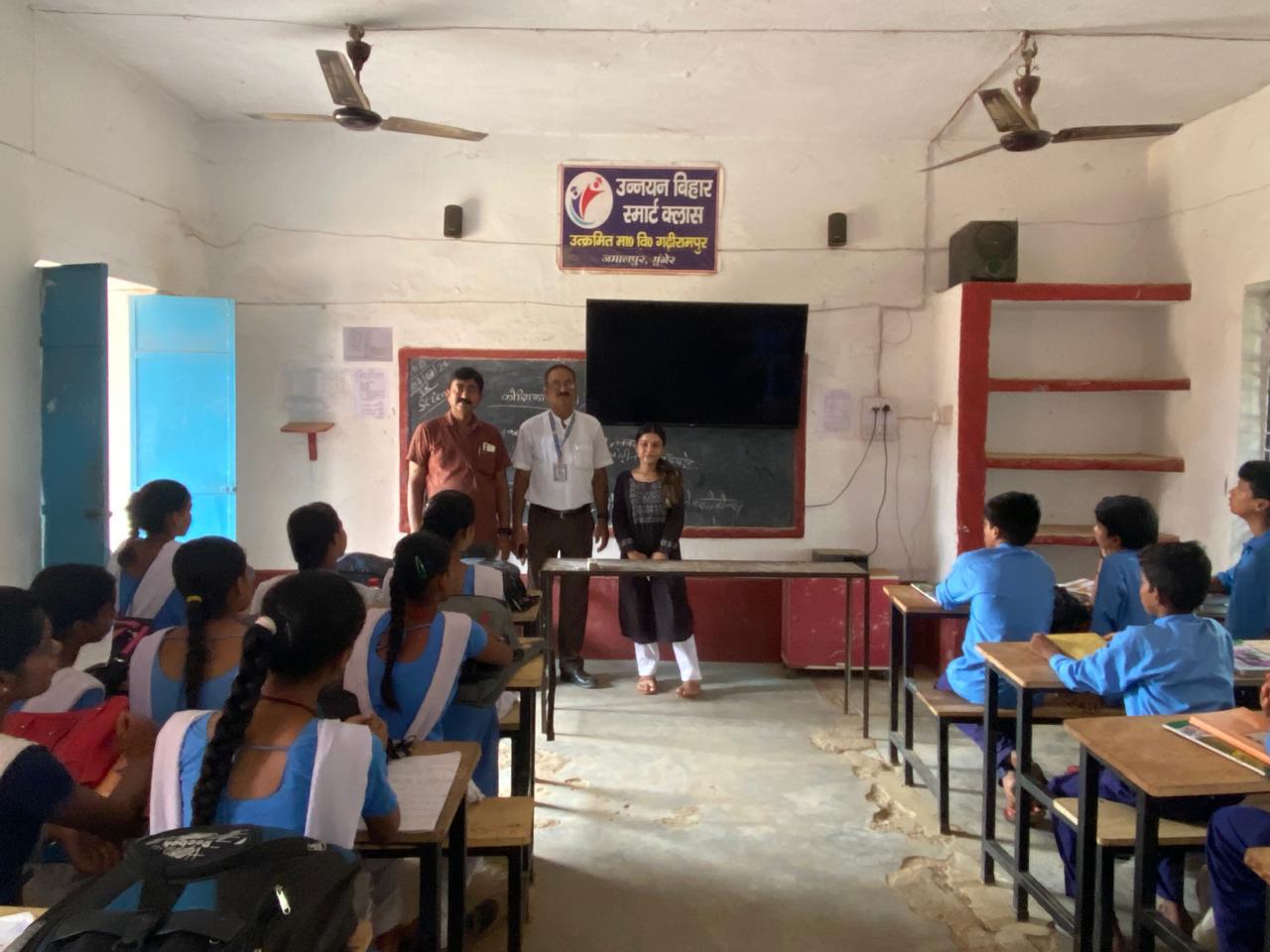
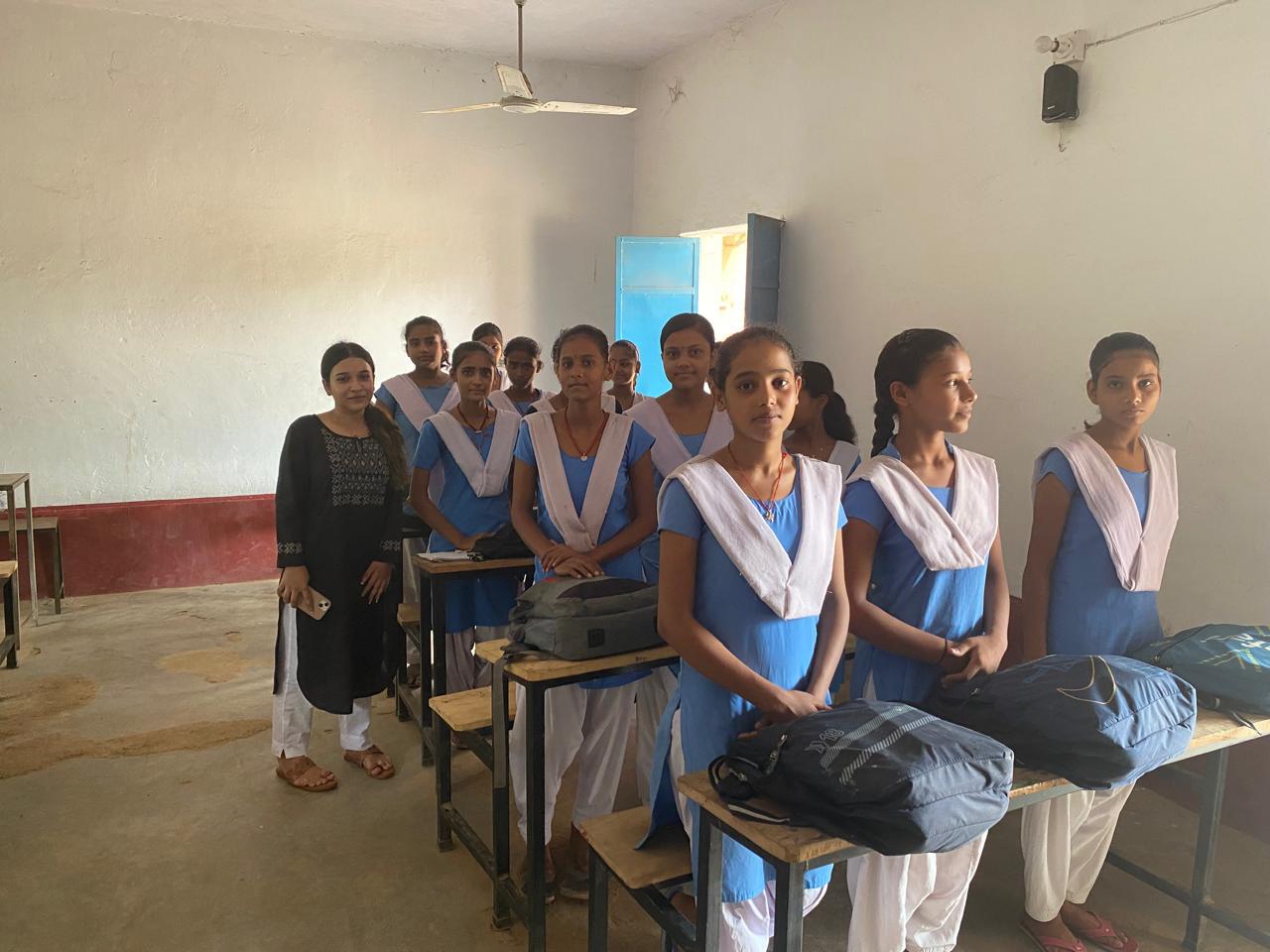
During my time in rural India, I worked with students to help them build awareness around technology safety – from basic internet use to understanding how to protect themselves online. Beyond the workshops, I also had the chance to spend time with them in open discussions, sharing what school life is like for me in Singapore and hearing about their own learning experiences. These exchanges felt meaningful because they were as curious about my world as I was about theirs.
One thing that surprised me was walking into classrooms and noticing that, even in such a remote region, two of the classrooms had televisions installed. It was a reminder that efforts are being made to bridge technological gaps, even in small, under-resourced communities. Seeing that desire to grow and adapt, even in minute regions of India, was inspiring.
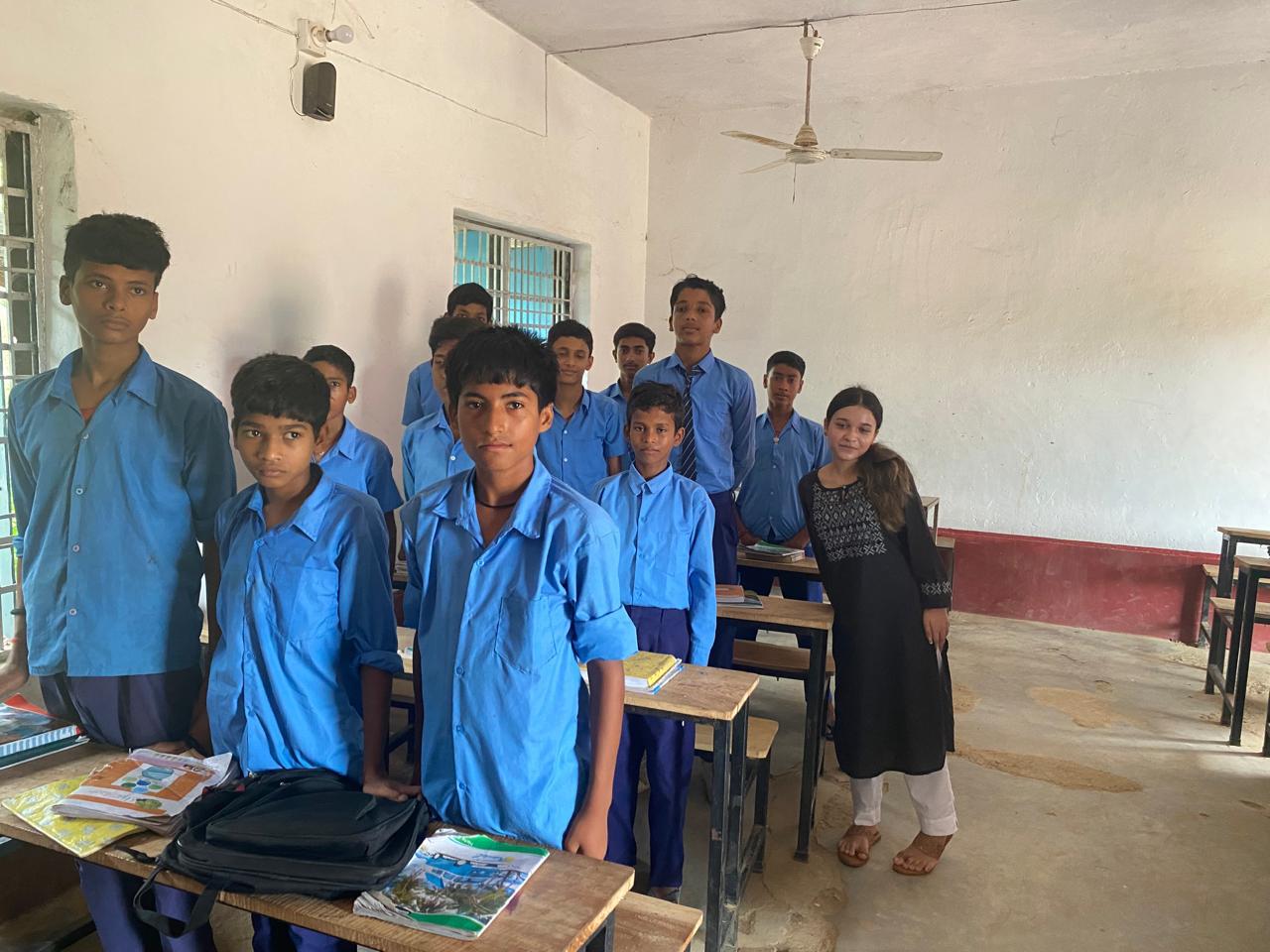
This experience left me with a deeper appreciation for both the differences and commonalities in education across contexts – and showed me how much potential there is when we share knowledge, exchange perspectives, and support one another’s growth.